Streetwear Label & Member Club
Built a commerce experience that combined product releases with an owned member community, integrating the forum directly into the storefront.
Open the live demo — Streetwear Label & Member Club, opens in a new tab
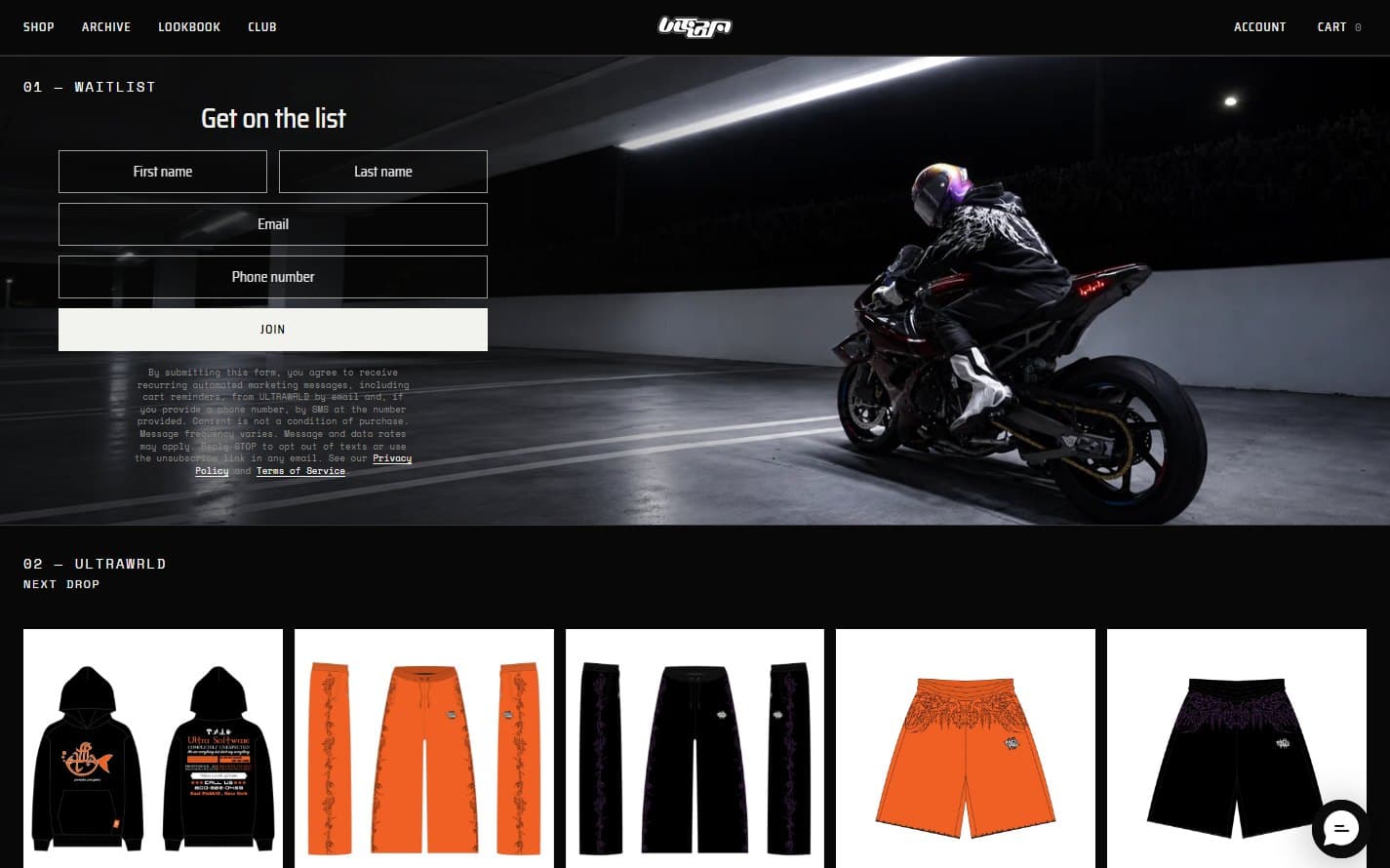
Two pieces of work on one store. The storefront is a bespoke front-end layer rather than a configured theme: its own header and footer, the release modules on the home page, a browsable archive of past drops, the lookbook, and the release pages — around fifteen custom sections carrying the brand's own language rather than a vendor's defaults. The members' club is the second piece, and it is built as part of the store instead of rented from a community platform: boards, threads, replies, member handles, image posts and the moderation queue are one codebase and one database schema, and a member signs in with the store account they already have rather than a second identity. Replies can answer one specific post, so the founders can talk to the fan who asked rather than to the thread at large, and club-only products are enforced at checkout rather than hidden in the theme — a non-member who reaches a gated item is stopped by the store, not by a missing button.
- Storefront Design
- Shopify Theme Development
- Front-End Development
- Community Platform Engineering
- Data Modelling
- Moderation Systems
- The header, footer, home modules, archive, lookbook and release pages are bespoke sections rather than a configured theme.
- The release archive is the storefront's own record of past drops, kept as a browsable history rather than retired to a collection page.
- The club is reached from the store's own navigation, not a separate site or subdomain.
- Signed out, the club shows its entrance rather than its contents — the forum is members-only, so the boards are not in the capture.
Shopify theme (Liquid) · Shopify App Proxy & checkout function · Express · Preact · PostgreSQL
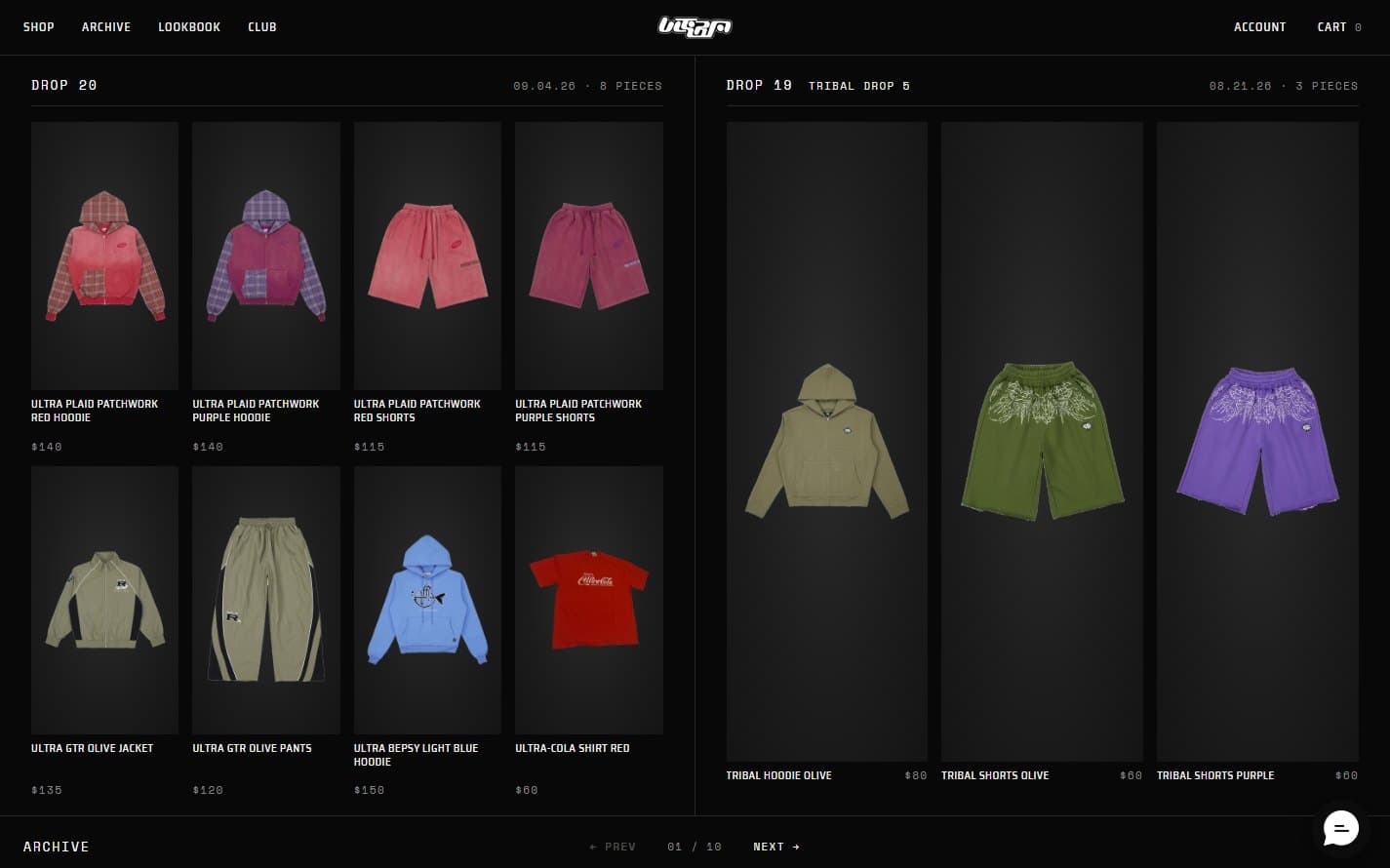
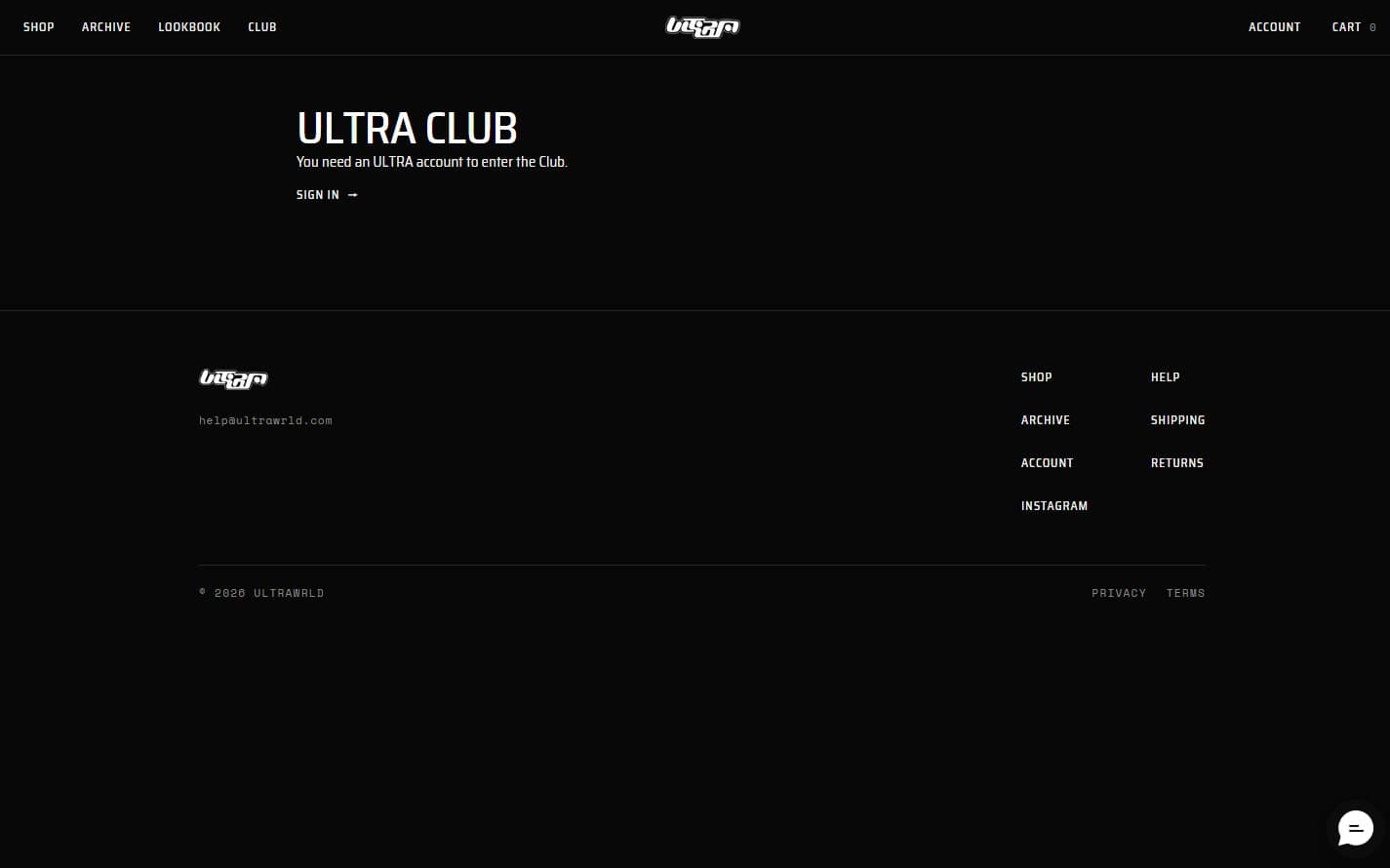
No membership, engagement, retention or sales outcome is claimed. The forum is gated, so the capture shows its entrance rather than its contents. The storefront is built on a commercial Shopify base theme; what is bespoke is the front-end layer over it — the sections, templates and brand system named above — rather than the platform underneath. The community software is custom outright: there is no third-party forum or community platform anywhere in it, and no ORM, and the threads, replies, members and moderation state live in this project's own PostgreSQL schema rather than inside a vendor's product. Its database and app are hosted on managed infrastructure like any other deployment; what is meant by custom here is the software and the data model, not the servers.